
A graphic art urban intervention inspired by the main premises of the Europe Readr project (literature, reading culture, critical thinking) brings some colours to the underground system in Brazil's capital linking 27 featured literary works with 27 metro stations. A QR code directs readers to the online platform where they can read a book while commuting.
Europe Readr opening event in Brasília
The opening event of the Brazilian edition of the Europe Readr project took place at the University Centre of the Federal District (UDF) in Brasília on 27 September. Participants were invited to view a selection of 27 graphics to be showcased in a larger format as installations at various metro stations in Brasília for the duration of the project.


The graphics were produced by students of the UDF Architecture and Urbanism department by selecting a basic image of one of the capital's most famous buildings or districts, onto which they then projected their visions of the Europe Readr project and the 27 literary works available on its platform. Each work is displayed either in the form of its book cover or its author's main idea or a quote from the book.
The event attendees were addressed by the UDF's Rector, Professor Dr Beatriz Eckert-Hoff, Ambassador of the Republic of Slovenia to Brazil, Gorazd Renčelj, and Giovanna Monteiro, who spoke on behalf of the students taking part in the project led by Professor Dr Ana Carolina Lima and Professor Dr Marcelo Judice.
27 interventions at 27 stations


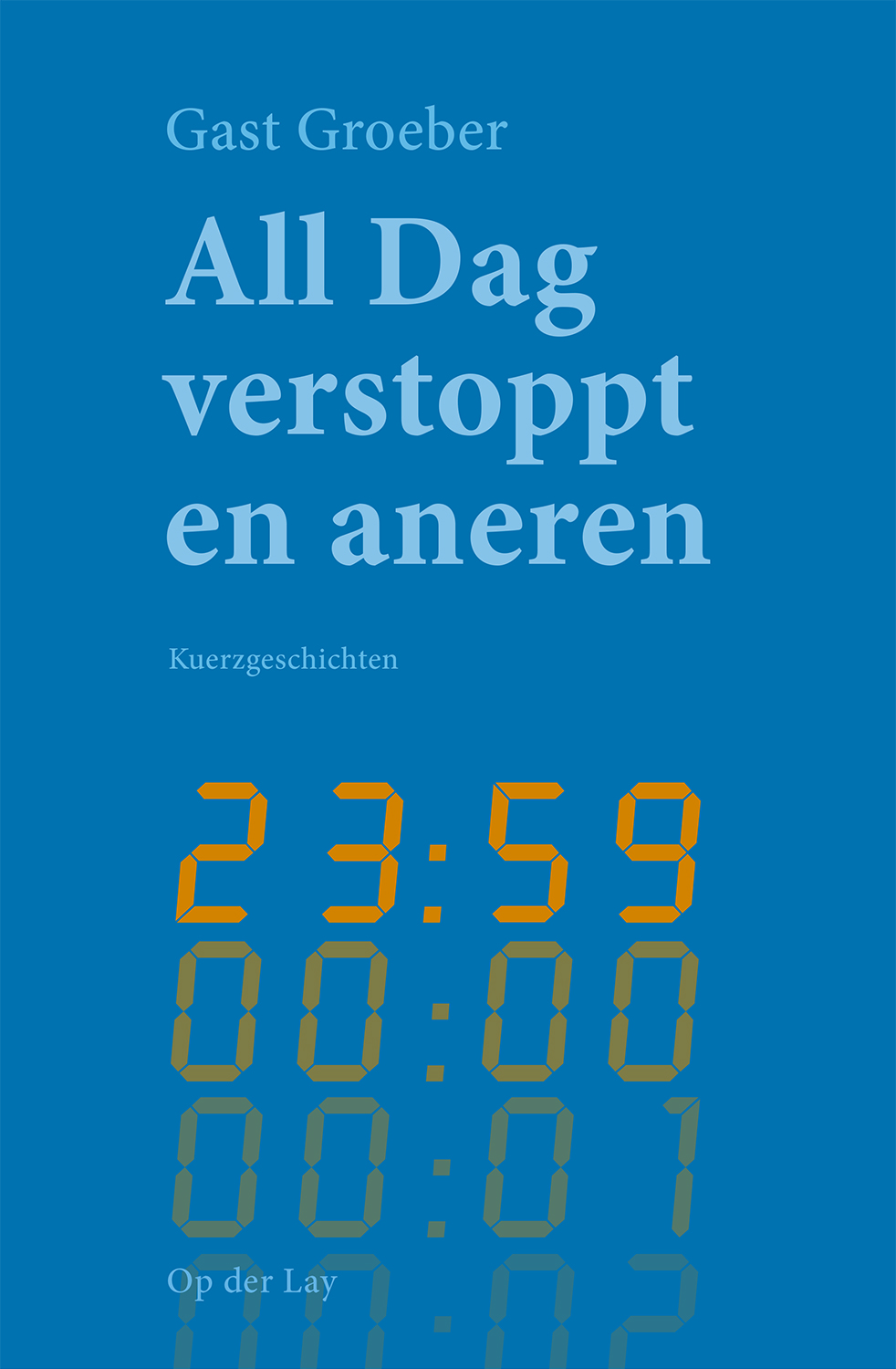
‘Gast Groeber’s short stories in Every Day Just Hides Another put the focus on characters that increasingly distance themselves from their usual surroundings. The story ‘A Village Idyll’ describes the life of a man who has been ostracized by the villagers ever since he ran over a boy with his car. Groeber smartly shows how the real circumstances of the accident, which have an essential influence on our moral judgement, are no longer taken into consideration at all once the culprit is found. Groeber’s description of the threat to the individual by the Others is also cleverly done: in these stories, it is never clear from the start whether the threat is merely imaginary or very real. Interpersonal relations float between the superficial and a precarious intimacy.
What should be highlighted in Every Day Just Hides Another is the obvious desire to achieve a consistent topical conception that only a few texts don’t follow. Groeber also aims at a decidedly literate, yet always natural language, which is quite an achievement given the limited stock of role models. The attempt for example to construe a character perspective using only impersonal phrases and infinitives that the author makes in ‘The Unbearable Weight of Waiting’ is utterly successful.’