
An ephemeral reading space at the lighthouse of the picturesque coastal town of Izola invites beachgoers and passers-by to read and socialise. A series of events for children (daily morning readings) and adults animated the space during the hot summer months, culminating in a celebration of the European Day of Languages.
The University of Ljubljana organised the art installation titled “My Reading Room” alongside the lighthouse in Izola in cooperation with numerous project partners. The idea of a spatial artistic installation follows the concept of the Library under the Treetops. It was created by students from different fields of spatial, artistic and technical studies who were learning through work. The aim was to strengthen the awareness of the quality of life that goes beyond consumption and to promote the need to read and acquire knowledge. As part of the project, students published a special multilingual newspaper, Palindrom.
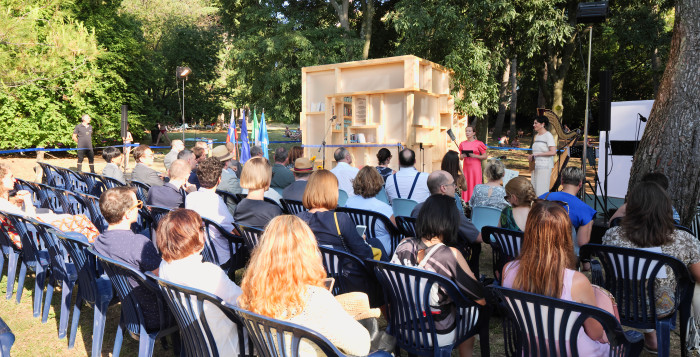
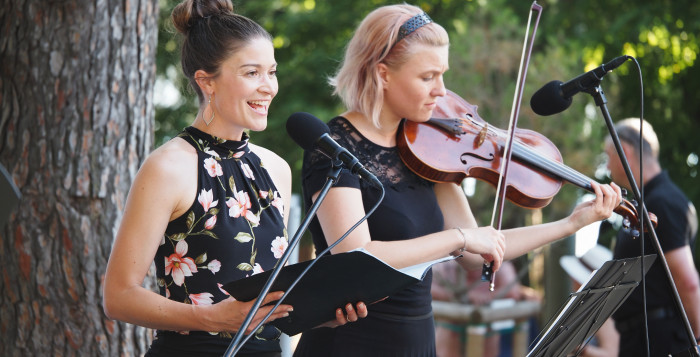
“My Reading Room” was open from 10:00 to 18:00 every day until the end of September. Daily morning readings for the children were held every day at 11:00 and on Tuesdays also at 17:00. It hosted events for all generations organised by local, national and international players.
On 14 September, Europe Readr partners from Egypt, Jordan, Serbia and Slovenia met at the Europe Readr Pavilion to discuss lessons learned and share their ideas on the potential of culture to boost active citizenship among young people.
At the end of September a cultural programme organised by the cultural institutes of the EU countries took place alongside the installation.
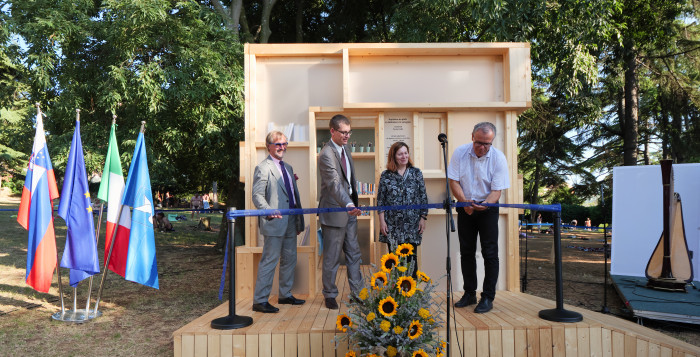
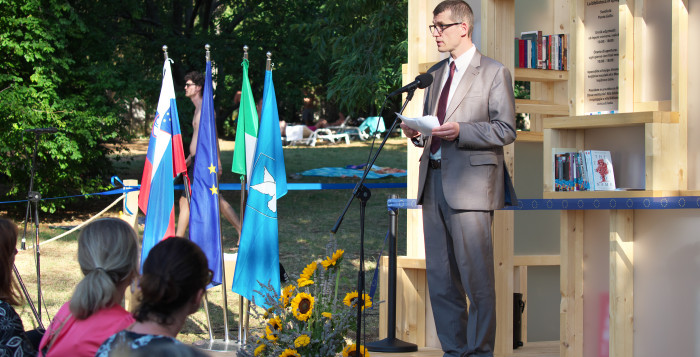
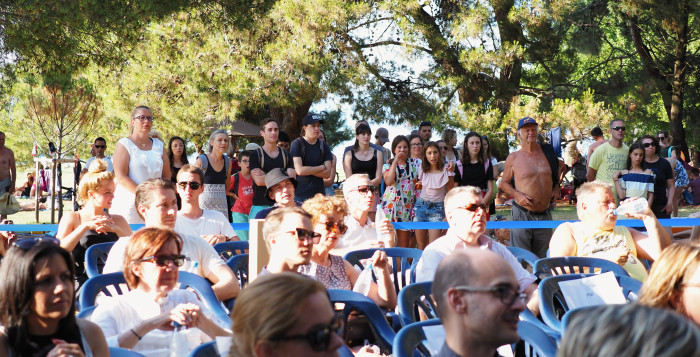
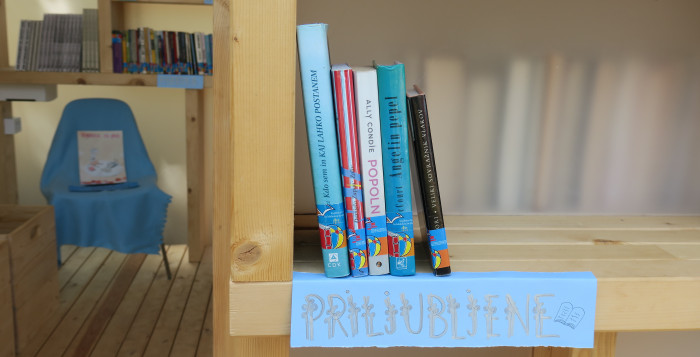
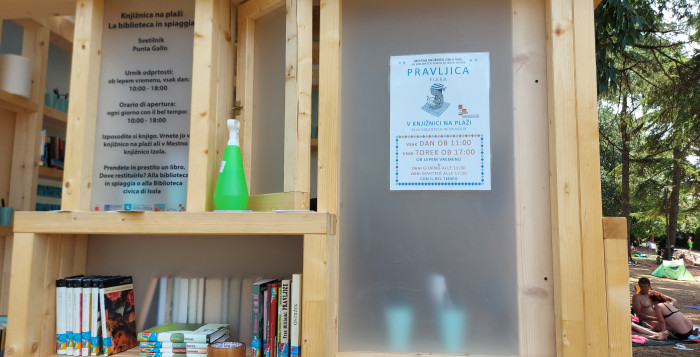
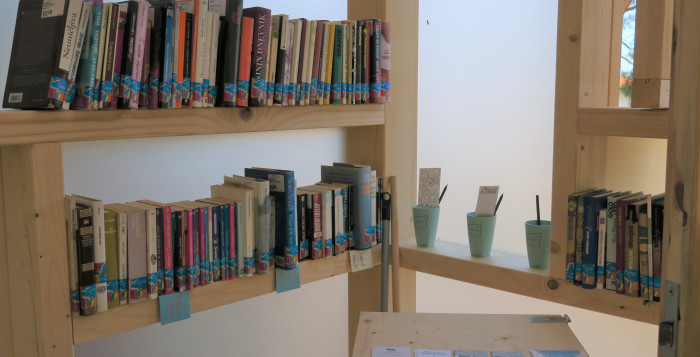
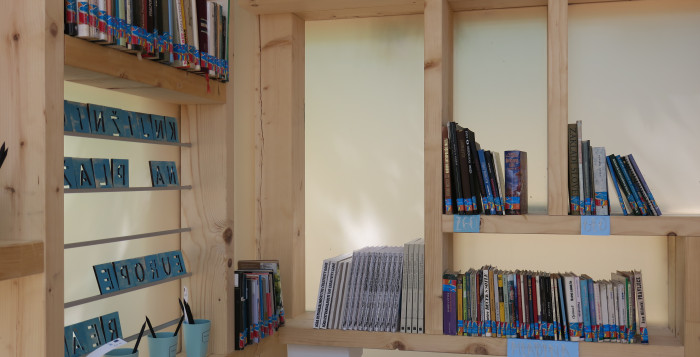
The installation was opened on 7 July 2021 by Mayor of Izola Danilo Markočič, State Secretary at the Ministry of Foreign Affairs of the Republic of Slovenia Gašper Dovžan, President of the Slovenian cluster of the European Union National Institutes for Culture (EUNIC) network Andreas Pawlitschek, and Associate Professor at the Faculty of Architecture Alenka Fikfak. Together, they advocated promoting social change through culture, especially reading, as one of the main factors of critical reflection and active citizenship.
Project mentors:
Associate Professor Dr Alenka Fikfak, Assistant Janez Grom, Kristijan Lavtižar, Assistant Professor Dr David Koren, Marko Lazič, Aleš Švigelj, Jan Barič, Professor Dr Grega Bizjak, Lanlan Wei, Assistant Professor Dr Matej Bernard Kobav, Associate Professor Dr Manja Kitek Kuzman, Assistant Professor Gašper Mrak, Assistant Professor Matej Nikšič, Uroš Polanc
Students:
Nina Beganović, Leon Rus, Manca Gjura Godec, Liza Štandeker, Tisa Lozej, Tadej Gregorič, Lovro Pinter, Vladimir Tripković, Laura Fontana, Anže Lopatič, Matija Kunstelj, Alexander Simić, Gašper Luka Pevec, Jure Polanc, Jernej Malik, Blaž Parežnik, Kaja Žnidaršič, Mara Vogrinec, Korina Kuzmić, Katarina Končina, Tajda Hladnik, Lara Zalokar, Tilen Fikfak Peršak
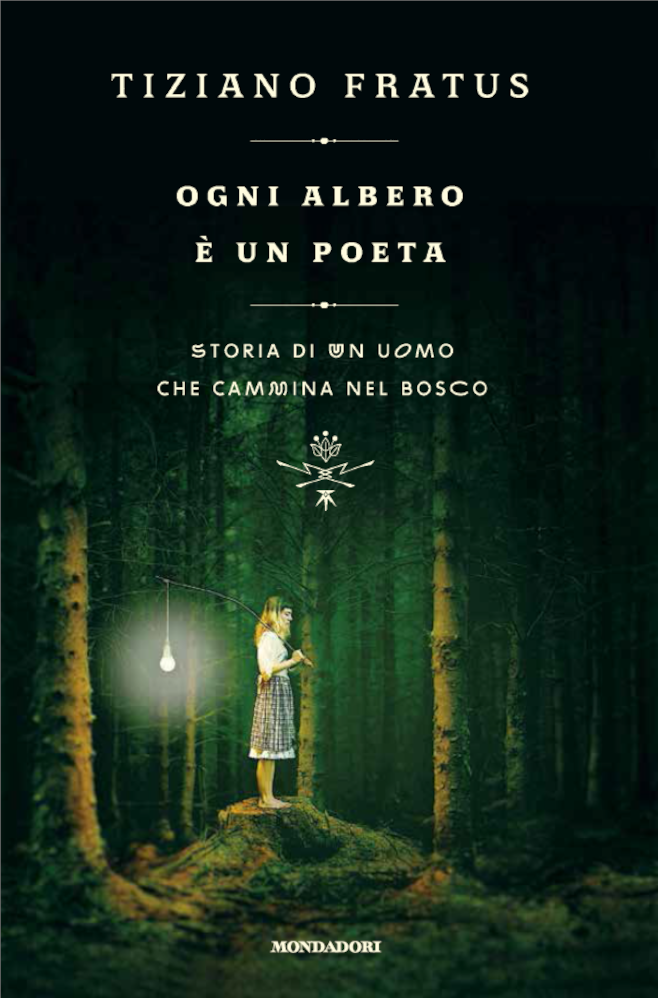
The new book by Tiziano Fratus, the author of L’Italia è un bosco (Italy is a Forest) and Il libro delle foreste scolpite (The Book of the Carved Forests), is a modern fairy tale, a sort of philosophy of the forest that emphasises his inseparable link with nature.