
The project combines street art and literature to revitalise public spaces after the earthquake. The murals and Europe Readr literature will serve as an inspiration to promote reading and reflect on topics such as sustainability, digitalisation and social inclusion.
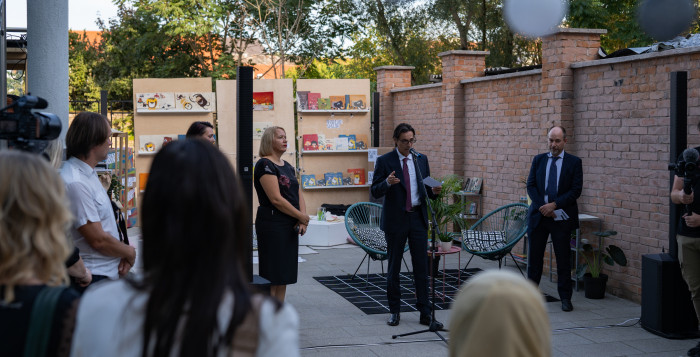
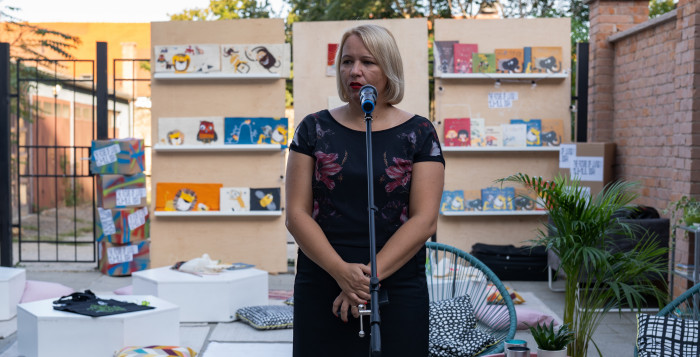
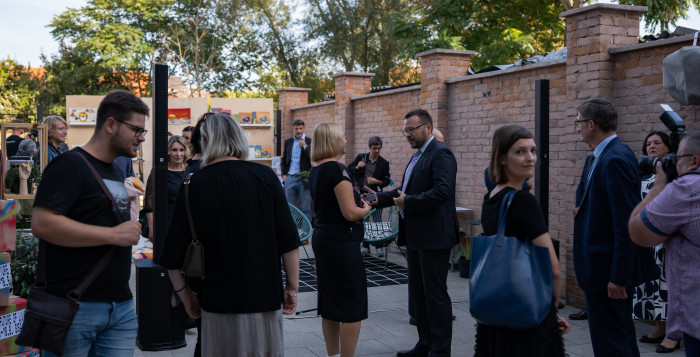
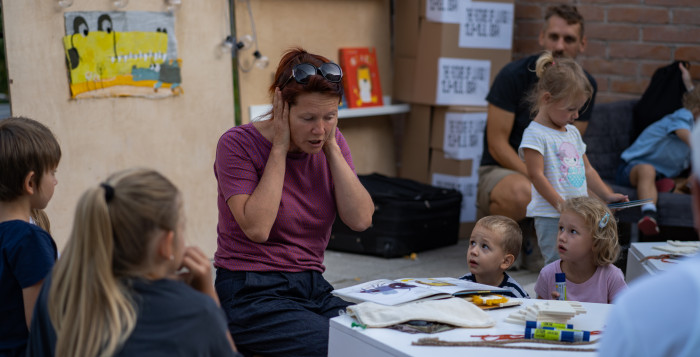
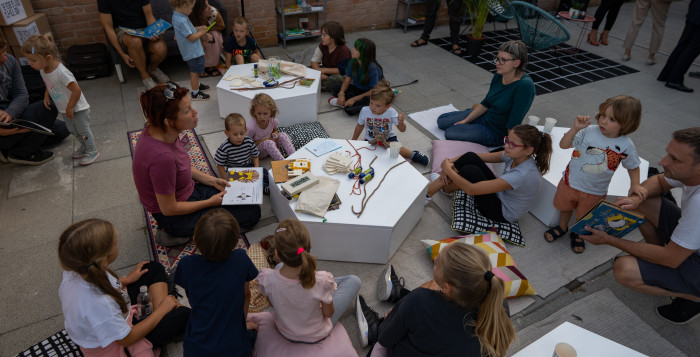
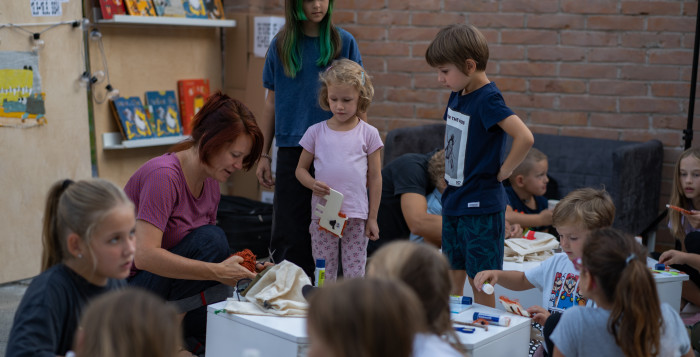
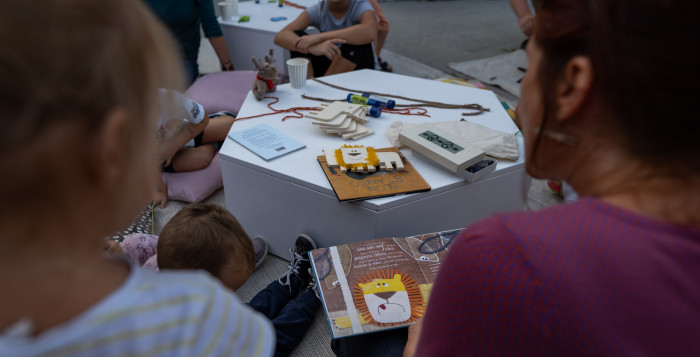
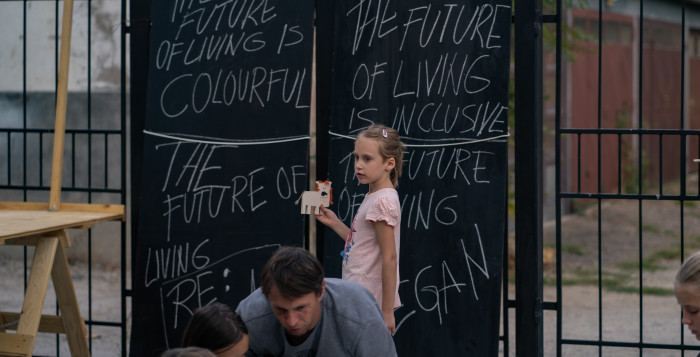
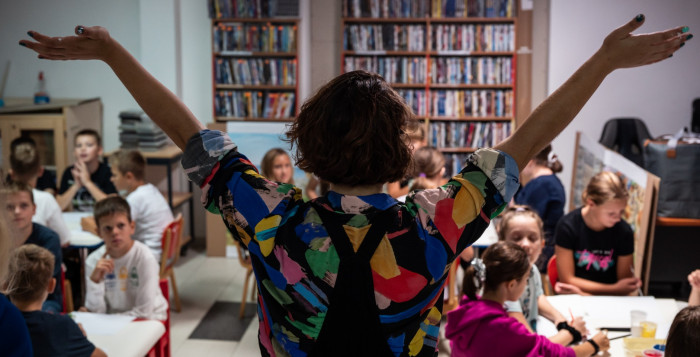
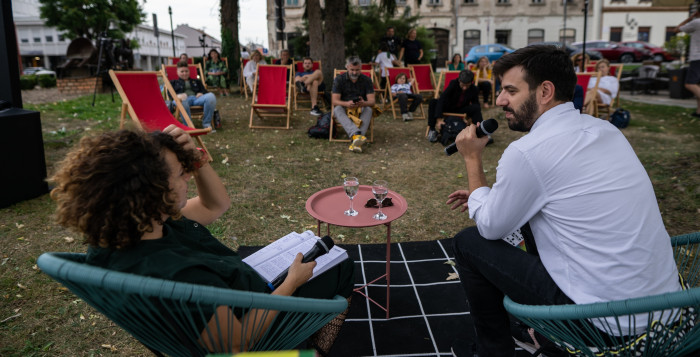
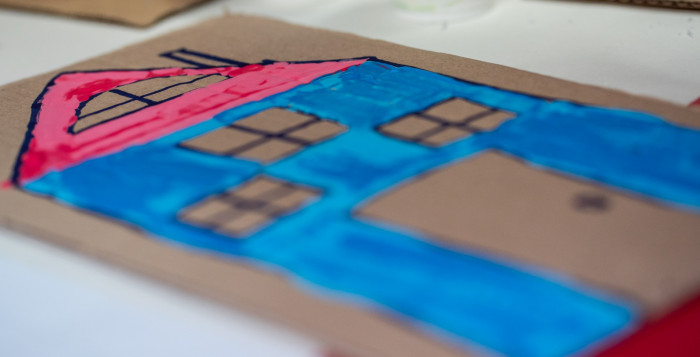
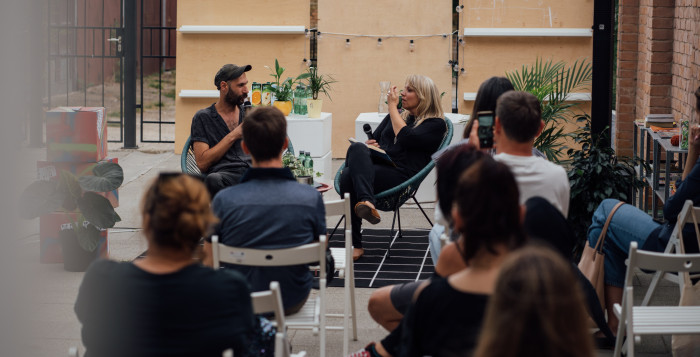
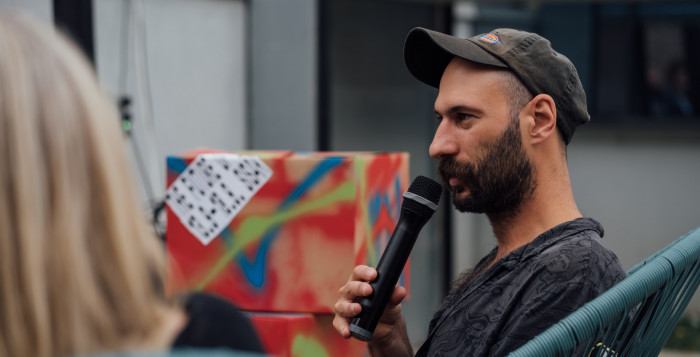
In Croatia, the Europe Readr project was launched on 13 September with a public reading of the Croatian translation of the book Robbie the Lion by the Slovenian children’s books author, Manica Musil. With highly successful publications and exhibitions, Musil has shaken up the world of picture books. Her works have been published in several languages, and she has toured the world with her presentations, workshops and shows for children. Her innovative and unusual techniques have earned her several awards. Her picture books are produced by sewing, gluing, crocheting and drawing. They are not only beautiful and exciting to look at and to touch, but also instructive and formative. The public reading was followed by a creative workshop: children were given small wooden lions and with the help of the author fashioned their manes, tails and snouts based on the illustrations in Robbie the Lion.
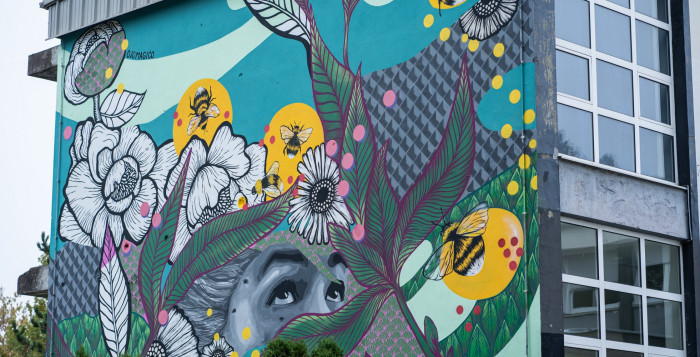
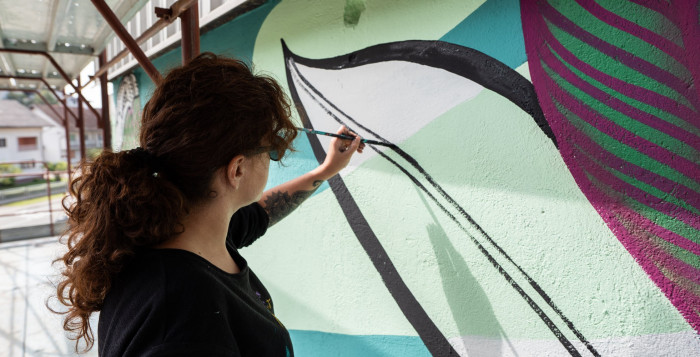
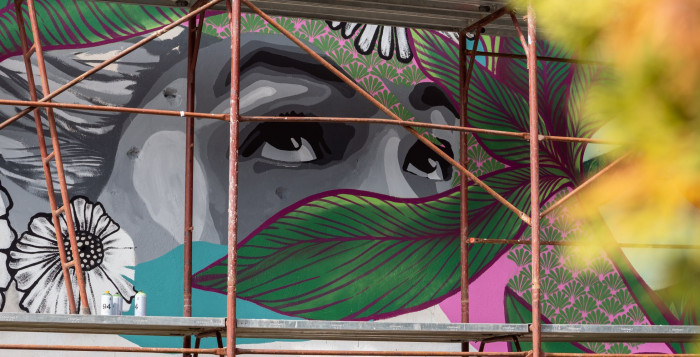
The Europe Readr events in Croatia organised in the framework of the Re:ThinkSisak festival continued all week, with readings by authors from a number of countries and a street art workshop by a local project partner. Throughout the week, a mural was being painted on the building housing the Viktorovac primary school.
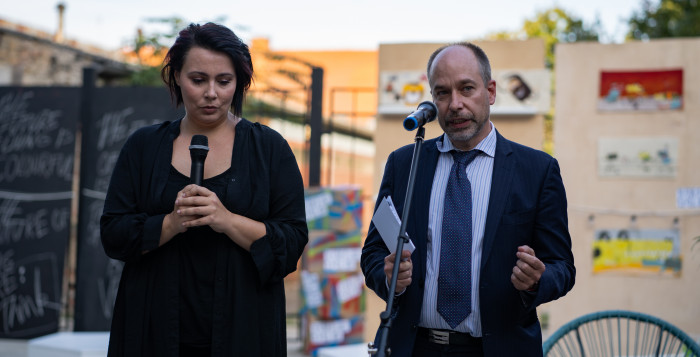
The project was inaugurated by Vojislav Šuc, Slovenian Ambassador to Croatia, Mikel Iriso Ivchenko, Head of the EUNIC Cluster in Croatia, and Kristina Ikić Baniček, Mayor of Sisak.
The blank page... stands as a perennial reminder of how freedom emerges even within repression... I am most moved in her book by the delicacy and scope realized time after time by her profoundly analogical imagination.